Distributed Storage Powers Faster Fulfillment at Packetail

In today’s highly competitive business environment, entrepreneurs are no longer burdened with the complexities of delivering products to customers efficiently and cost-effectively. As e-commerce continues to grow, logistics has become a critical differentiator. By outsourcing order fulfillment to providers such as Packetail, businesses gain access to speed, accuracy, and operational savings – all of which are essential for long-term success.
When business owners rely on Packetail to handle order processing, they can expect consistent performance across key metrics. Speed of delivery, order accuracy, and cost control are no longer trade-offs but integrated outcomes of a well-designed fulfillment system.
The Rise of Distributed Warehousing
The concept of distributed storage has significantly advanced the order fulfillment industry by solving one of its most persistent challenges: how to deliver goods quickly across large geographic areas.
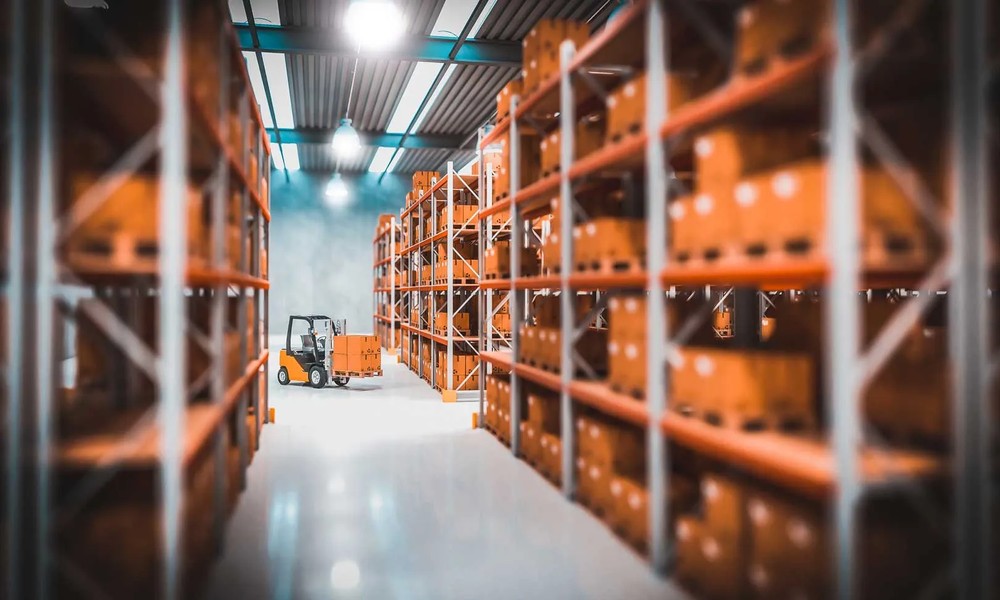
This model is based on a network of strategically located warehouse facilities positioned across the country. Rather than shipping every order from a single location, inventory is distributed across multiple centers. When an order is placed, the system identifies the most efficient fulfillment point – typically the facility closest to the end customer – and dispatches the order from there.
This approach eliminates many of the traditional bottlenecks associated with centralized warehousing. Shipping times are reduced, transportation costs are optimized, and the likelihood of fulfillment errors decreases due to shorter handling chains.
As noted on Packetail.com:
“Combined with our fast internal processing times, this approach ensures your customers receive their orders as quickly as possible.”
A Competitive Fulfillment Network Landscape
Not all fulfillment providers operate at the same scale or with the same level of infrastructure maturity. The number, distribution, and integration of warehouse facilities vary widely across the industry.
Packetail emphasizes the strategic placement of its facilities:
“Our network places your inventory in optimal locations for nationwide delivery. Because of the number and positioning of these facilities, we are able to offer some of the fastest delivery times available.”
Other companies are also expanding their networks, though often at different stages of development. Deliverr, for example, has introduced pilot programs aimed at extending its footprint by partnering with third-party operators to launch new fulfillment centers across the country. This approach is designed to bring inventory closer to end customers and improve delivery speed for sellers.
Fulfillify currently operates several fulfillment centers across the United States, while Simpl Fulfillment works with a network of partner warehouses to support storage, picking, and packing services for business clients. These models demonstrate a broader industry shift toward distributed logistics, although execution and scale remain key differentiators.
Smart Routing: The Nearest Warehouse Advantage
At the operational level, Packetail relies on intelligent software to manage order routing. When a customer places an order, the system automatically selects the warehouse closest to the shipping destination. The order is then transmitted to that facility, where it is processed, packed, and dispatched without delay.
However, efficient routing is only one component of a comprehensive fulfillment process. Before products are made available for sale within the network, each item must go through a detailed intake procedure.
When inventory arrives at a distributed warehouse, trained staff carefully inspect each unit for defects, inconsistencies, or damage. Items are documented visually, and any issues identified during inspection are promptly communicated to the client. This ensures transparency and allows businesses to address potential problems before products reach end customers.
As outlined on Packetail.com, this structured intake process is designed to maintain quality standards across all facilities.
Operational Simplicity and Careful Handling
Packetail facilities are designed to balance efficiency with careful product handling. Warehouses are organized, clean, and optimized for clarity of operations. Unlike heavily automated environments filled with conveyor belts and complex machinery, Packetail emphasizes controlled, human-centered handling processes.
This approach reduces the risk of product damage and allows for greater attention to detail during picking and packing operations. Each item is handled individually by trained personnel who follow established procedures to ensure accuracy and consistency.
The company notes:
“Each item is handled by our trained staff and receives the personal attention we take pride in.”
This operational philosophy reflects a broader commitment to quality over purely mechanized throughput.
AI-Driven Inventory Management
In addition to its physical infrastructure, Packetail integrates artificial intelligence into its fulfillment ecosystem to enhance inventory management and operational oversight.
As described on Packetail.com, the system continuously monitors stock levels across all warehouse locations. It automatically alerts clients when inventory levels fall below predefined thresholds and recommends restocking for high-demand products. This helps businesses avoid stockouts while maintaining optimal inventory levels.
Beyond inventory tracking, the software also analyzes order flows, monitors operational performance, and generates sales forecasts based on historical data. It provides detailed reporting that allows clients to better understand demand patterns, optimize their supply chains, and improve overall efficiency.
By combining distributed storage with intelligent data systems, Packetail creates a fulfillment model that is both responsive and scalable – enabling businesses to operate more effectively in a fast-moving market.