The Ultimate Guide to Solar System Loans for Commercial and Industrial Projects
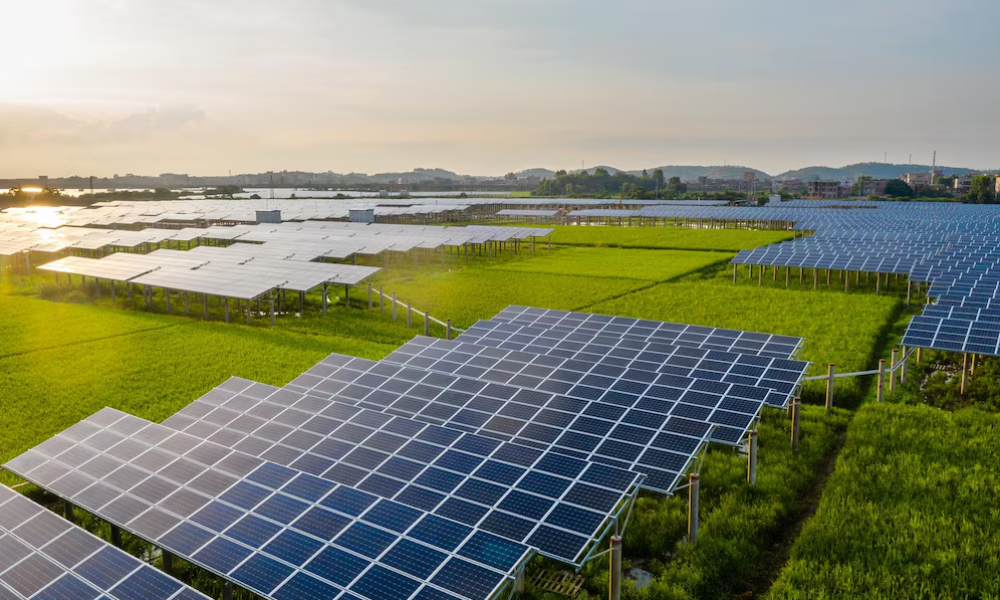

For commercial and industrial businesses, solar is not just about sustainability. It is about cost control, capital efficiency, and long-term financial strength, and the right loan structure determines the outcome. Electricity is one of the largest recurring expenses for commercial and industrial units. Rising tariffs directly impact margins, especially for manufacturing units, warehouses, and MSMEs.
Solar systems offer long-term savings and protection against tariff volatility. However, large-scale installations require significant upfront capital. This is where solar system loans become essential.
When structured properly, they allow businesses to adopt solar without disrupting working capital or slowing expansion.
Why Commercial and Industrial Projects Require Specialised Solar System Loans
A residential rooftop system and an industrial solar plant are very different in scale and structure.
Commercial projects typically involve:
- Higher installation capacity
- Larger capital investment
- Detailed feasibility assessment
- Complex energy consumption patterns
Generic loan products often fail to address these complexities.
Experienced solar loan providers evaluate both financial strength and projected energy generation before structuring repayment plans. This ensures that Financing Solar Panels remains aligned with business cash flow realities.
What Is an MSME Solar Loan?
MSMEs often operate with tight liquidity and fluctuating working capital cycles. An MSME solar loan is designed specifically to support small and medium enterprises adopting renewable energy.
These loans generally offer:
- Cash-flow-based evaluation
- Flexible repayment tenure
- Faster processing
- Structured EMI options
- Minimal disruption to operations
For MSMEs, reducing electricity cost directly improves operating margins. A well-designed MSME solar loan enables cost savings without large upfront expenditure.
How Solar System Loans Improve Cash Flow
There is a common belief that loans increase financial burden. In reality, structured solar system loans can improve cash flow when designed correctly.
Here is how:
- EMI replaces a portion of electricity expenses.
- Solar generation reduces grid dependency.
- Long-term energy cost becomes predictable.
- After loan completion, electricity cost reduces significantly.
This is why many businesses consider solar financing one of the best solar financing strategies for infrastructure planning.
Is Financing Solar Panels Better Than Using Internal Funds?
This is one of the most important strategic questions. Using internal funds may appear cost-effective initially.
However, it can reduce liquidity needed for:
- Business expansion
- Equipment upgrades
- Inventory management
- Market opportunities
Strategic Financing Solar Panels allows businesses to preserve capital flexibility while the solar asset generates returns over time. For growing industries, maintaining liquidity often outweighs the cost of borrowing.
What to Evaluate Before Choosing Solar Loan Providers
Not all solar loan providers offer the same expertise.
Before finalising a financing partner, consider:
1. Sector Knowledge
Do they understand solar economics and industrial energy patterns?
2. Loan Structure
Is repayment aligned with projected energy savings?
3. Transparency
Are all charges and interest components clearly disclosed?
4. Processing Speed
Does approval align with installation timelines?
5. Risk Assessment
Do they evaluate project feasibility alongside financial strength?
Choosing experienced providers ensures smoother execution and financial comfort.
How Solar Loans Reduce Long-Term Operational Risk
Industrial energy costs fluctuate over time.
By adopting structured solar system loans, businesses reduce exposure to:
- Rising electricity tariffs
- Unpredictable operational expenses
- Long-term cost volatility
Solar transforms energy cost from variable to controlled. Financing ensures that the transition does not strain short-term finances. Together, they create stability.
Why Smart Financing Accelerates Industrial Solar Adoption
Commercial and industrial units often delay solar projects due to capital constraints. However, when MSME solar loan options and structured financing models are accessible, adoption increases.
The key benefits include:
- Faster implementation
- Improved cost predictability
- Better capital management
- Stronger sustainability positioning
Solar then becomes not just an environmental initiative, but a financial strategy.
Conclusion: Solar System Loans Are Strategic Growth Tools
Solar installation for commercial and industrial projects is a long-term decision. The success of that decision depends heavily on financing structure.
Well-planned solar system loans, including structured MSME solar loan options, allow businesses to:
- Reduce operating expenses
- Preserve liquidity
- Protect against tariff increases
- Improve long-term profitability
Choosing experienced solar loan providers and adopting the best solar financing strategy ensures that Financing Solar Panels becomes an investment advantage rather than a financial burden.
When financing aligns with energy economics, solar transforms from infrastructure into a powerful asset that strengthens business resilience for decades.