Beyond Bitcoin: Investing in Tokenized Commodities as a Hedge Against Market Volatility


The cryptocurrency boom is often associated with Bitcoin, but beyond the world’s most well-known cryptocurrency lies a growing sector of digital investments: tokenized commodities.
These blockchain-based assets, representing physical commodities, are emerging as an effective way to hedge against market volatility and diversify investment portfolios.
As financial markets experience fluctuations due to geopolitical tensions, inflation, and economic shifts, tokenized commodities offer stability and innovative opportunities that traditional assets sometimes lack.
What Are Tokenized Commodities?
Tokenized commodities are digital assets that represent ownership in tangible assets like precious metals, energy resources, and crops. Unlike cryptocurrencies which may be driven more by market sentiment, tokenized commodities are backed by physical goods, thus providing an intrinsic value.
Blockchain technology ensures that these commodities are traceable and secure. With smart contracts, tokenized commodities are more efficient than traditional trade methods, offering the benefits of 24/7 market access, lower fees, and ease of fractional ownership. This makes them an attractive alternative for both new and seasoned investors looking for a hedge during uncertain economic times.
Types of Tokenized Commodities
1. Gold and Precious Metals
Gold-backed tokens are the most widely recognized form of tokenized commodity. By offering a digital representation of gold, tokens like PAXG and XAUT allow for fractional ownership, making them accessible to a wider range of investors.
The benefits are clear: direct exposure to gold’s value with blockchain benefits, such as quick transactions and enhanced security. This makes gold-backed tokens ideal for hedging against inflation and financial instability.
2. Energy Commodities
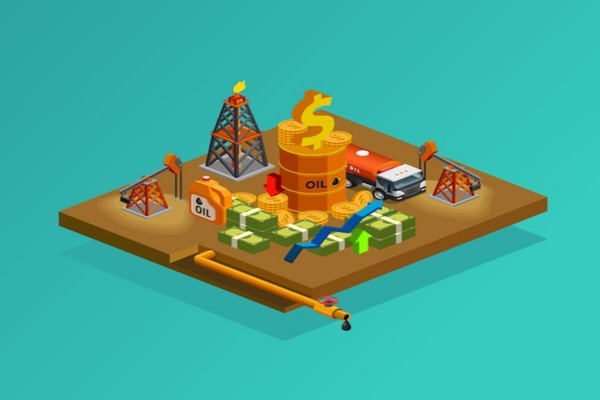
Tokenized energy products, such as oil and natural gas, are gaining attention. By using blockchain technology, energy commodities can be traded with more transparency and fewer intermediaries, reducing transaction costs and improving supply chain efficiency.
3. Agricultural Commodities
Agriculture is vital for the global food supply, and tokenized agricultural products like wheat and soybeans are gaining popularity. Such tokens provide a new way for investors to engage with the agricultural sector without needing to manage physical assets.
Given the surge in food prices and supply chain issues-caused in part by climate change and trade disruptions-agricultural token investments can help hedge against food price inflation.
4. Carbon Credits
Carbon credits are an emerging form of tokenized commodity that aligns with growing environmental concerns. Platforms like KlimaDAO are pioneering blockchain-based carbon credit markets, enabling businesses and individuals to invest in carbon offsets. This not only addresses climate change but also provides a new avenue for investment returns through the sale of carbon credits.
The Market for Tokenized Commodities Is Flourishing Due To Several Factors
Economic Uncertainty: The global economy faces unprecedented challenges, including inflationary pressures, geopolitical tensions, and financial instability. Gold prices have surged past $2,200 per ounce, driven by fears of economic stagnation and bank crises. Tokenized gold (like PAXG) offers a digital means to gain exposure to this precious metal without the logistical complications of physical storage.
Growing Demand for Portfolio Diversification: In an era where market volatility can impact stocks and cryptocurrencies alike, tokenized commodities are increasingly seen as safe-haven investments. The 2024 World Economic Outlook report from the International Monetary Fund (IMF) highlighted that investors are diversifying into tangible assets as a strategy to protect wealth.
Advancements in Blockchain and Regulation
Key Benefits of Tokenized Commodities
Enhanced Liquidity and Accessibility: Unlike physical commodities that require significant storage, transportation, and transaction fees, tokenized commodities can be bought or sold 24/7 on blockchain platforms, enhancing liquidity. This allows investors to quickly react to market changes without the complexities of traditional commodities trading.
Fractional Ownership: Tokenized commodities enable fractional ownership, making it easier for smaller investors to participate without needing substantial capital. This democratization of asset ownership opens up opportunities for portfolio diversification that were previously accessible only to wealthy investors or institutions.
Transparency and Security: Blockchain technology provides a high level of transparency. Each transaction is recorded on an immutable ledger, ensuring traceability and reducing the risk of fraud. This aspect is especially important for commodities like carbon credits, where transparent tracking is necessary to validate the authenticity of offset claims.
Reduced Intermediaries and Costs: By eliminating many of the intermediaries involved in commodity trading, tokenized commodities reduce transaction fees and administrative burdens. This allows for more direct ownership and lower costs for investors, contributing to higher overall returns.
Global Market Access: Blockchain technology enables cross-border transactions without the need for traditional banking systems. This is beneficial in markets where investors may be restricted by local financial infrastructure, thus offering greater flexibility and reach.
Market Strategies for Tokenized Commodities
Diversification Across Asset Classes: One of the main strategies for using tokenized commodities is diversification. Investors can allocate a portion of their portfolio to assets such as tokenized gold, oil, agricultural products, and carbon credits. This approach helps mitigate the risk of market volatility that can affect stocks, cryptocurrencies, and other asset classes. For instance, during periods of inflation or economic uncertainty, tokenized gold can act as a safe haven similar to traditional gold.
Staking and Passive Income: Some platforms that support tokenized commodities provide opportunities for staking, where investors lock up their tokens in return for rewards or passive income. For example, certain tokenized commodities may offer yield farming mechanisms that generate a stream of income. This can be especially appealing in volatile markets as it provides an additional layer of return beyond the price appreciation of the commodity itself.
Hedging Strategies: Tokenized commodities can also be used to create a hedge against other market positions. Investors might use tokenized gold to counterbalance a portfolio heavy in volatile assets like tech stocks or cryptocurrencies. When market sentiment shifts, gold prices typically increase, providing a cushion against losses in other sectors.
Filename: Tokenized-commodities-investments
Alt Text: Tokenized commodities investments
Tips for Investors
Do Thorough Due Diligence: Before investing, it’s crucial to evaluate the credibility of the platform offering tokenized commodities. Look for transparency in how commodities are backed and ensure the platform has strong security protocols.
Understand the Commodity’s Characteristics: Not all tokenized commodities behave the same way. Gold, for example, typically moves inversely to economic downturns, while oil may be more affected by supply and demand fluctuations. Understand the underlying factors that impact each commodity to better manage investment strategies.
Stay Updated on Global Trends: The market for tokenized commodities is influenced by a variety of global factors such as economic reports, political events, and technological advancements. Regularly monitor these trends to make informed investment decisions.
Start Investing With Confidence
Tokenized commodities offer a modern solution to market volatility. With Kenson Investments, you can explore a range of options that help diversify your assets and manage risks effectively. Get started now – Discover the potential of tokenized commodities and other modern investment avenues.
About the Author
Stuart P. is a seasoned financial writer with a deep understanding of the investment landscape, focusing on modern financial instruments like tokenized commodities. With years of experience crafting insightful and engaging content, Stuart has a strong track record of producing well-researched articles that cater to both seasoned investors and newcomers looking to diversify their portfolios.