The Expansion of Energy-Related Equity Trading Across the Emirates

The United Arab Emirates has long been recognised as one of the world’s leading energy producers, but its influence is no longer limited to oil exports alone. Over the past decade, the country has transformed into a regional financial powerhouse where energy-related equity trading is attracting growing interest from both local and international investors. As trading platforms evolve and financial markets mature, the Emirates are becoming an increasingly important centre for energy-focused investment activity.
This shift reflects more than changing market trends. It highlights the UAE’s broader economic vision, which combines traditional energy strength with financial innovation, infrastructure development, and global investment appeal. With stronger regulations, improved market accessibility, and expanding investor participation, energy-related equities are now playing a larger role in shaping the region’s financial future.
The UAE’s Financial Markets Continue to Evolve
The rapid development of financial exchanges across the Emirates has created new opportunities for investors seeking exposure to energy-related sectors. Institutions such as the Abu Dhabi Securities Exchange and Dubai Financial Market have introduced significant reforms aimed at increasing market efficiency, transparency, and international competitiveness. These efforts have strengthened confidence among institutional investors while encouraging broader retail participation.
International financial firms and regional investment groups increasingly view the UAE as a stable and strategic destination for capital allocation. Analysts from major banking institutions often point to the country’s strong infrastructure, business-friendly environment, and economic diversification strategy as factors supporting long-term market growth. As a result, the Emirates continue attracting investors who are looking beyond traditional Western markets.
Energy-related companies have benefited directly from this momentum. Investors are no longer focused only on crude oil production. They are also paying attention to businesses involved in refining, logistics, petrochemicals, renewable energy, and industrial infrastructure. This broader investment focus has created more active equity trading within the region and helped deepen market liquidity.
Investor Interest in Energy Equities Is Expanding
Public interest in energy-sector stocks has increased significantly as more investors recognise the long-term importance of the Gulf’s evolving energy landscape. High-profile listings and greater market visibility have encouraged both experienced traders and first-time investors to explore opportunities tied to the UAE’s industrial and energy-driven economy.
The growing attention surrounding the ADNOC share price reflects this changing investment environment. Energy-linked equities are increasingly viewed as indicators of broader economic confidence across the Emirates. Institutional investors, sovereign wealth funds, and retail traders regularly monitor these companies because of their influence on regional markets and their connection to national development strategies.
Access to financial information has improved dramatically. Digital trading platforms, mobile investment applications, and real-time market reporting have made equity trading more accessible to the general public. Investors today are more informed about factors such as global energy demand, geopolitical developments, sustainability policies, and industrial expansion plans that may affect energy-related stocks over time.
Diversification Is Strengthening Market Confidence
One of the most important drivers behind the expansion of energy-related equity trading is the UAE’s commitment to economic diversification. Although hydrocarbons remain a major economic pillar, the country has invested heavily in renewable energy projects, advanced technology, logistics, and sustainable infrastructure. This broader economic strategy has increased investor confidence in the resilience of the Emirates’ financial markets.
Organisations such as the International Monetary Fund and the International Energy Agency have consistently emphasised the importance of diversification for long-term economic stability in energy-producing nations. The UAE’s approach aligns with this perspective by balancing energy leadership with future-focused investment initiatives.
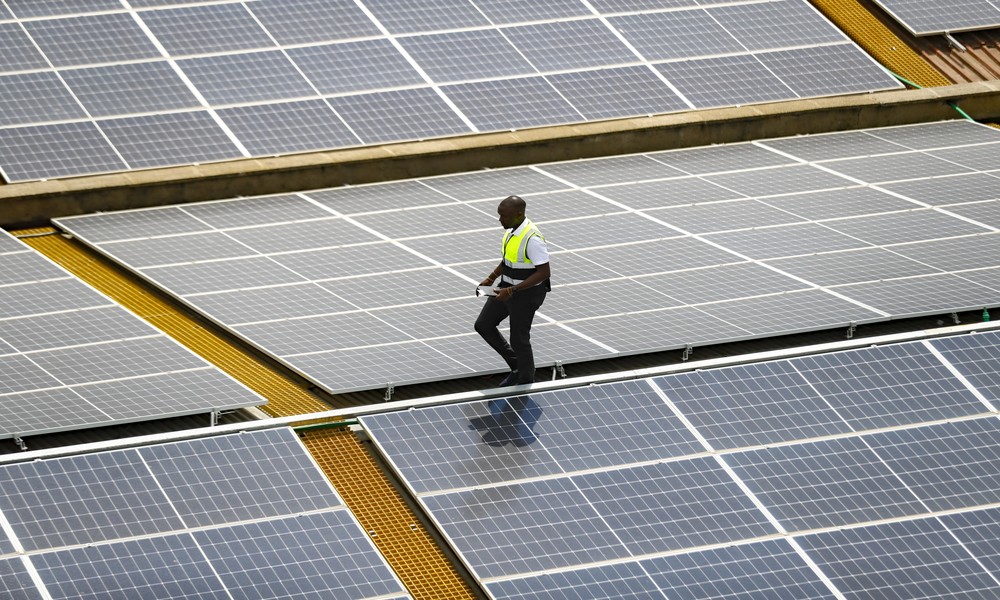
Renewable energy development has become especially important in shaping investor sentiment. Projects connected to solar power, hydrogen technology, and sustainable industrial growth demonstrate that the Emirates are preparing for long-term changes in global energy demand. Investors increasingly value companies that can adapt to evolving energy priorities while maintaining strong operational performance and financial stability.
Technology and Regulation Are Supporting Growth
The expansion of equity trading across the Emirates has also been supported by major technological advancements. Modern digital platforms allow investors to access market information instantly, execute trades efficiently, and monitor portfolio performance in real time. These innovations have made trading more convenient and have encouraged broader market participation from younger and tech-savvy investors.
Regulatory improvements have further strengthened investor trust. Financial authorities in the UAE have introduced measures aimed at improving corporate governance, increasing transparency, and protecting shareholders. These reforms are particularly important for attracting foreign investment, as international institutions often prioritise stable and well-regulated markets when expanding into emerging regions.
Conclusion
The expansion of energy-related equity trading across the Emirates reflects the UAE’s broader transformation into a globally connected financial and economic hub. As markets become more sophisticated and investor participation continues to rise, energy-sector equities are emerging as an increasingly important part of the region’s investment landscape. The combination of strong infrastructure, regulatory progress, and economic diversification has positioned the Emirates as a leading destination for energy-focused capital.
Looking forward, the UAE’s ability to balance traditional energy leadership with innovation and sustainability will continue shaping investor confidence. As international interest in Gulf markets grows, energy-related equities are likely to remain central to the region’s financial evolution. For investors seeking exposure to dynamic and strategically important markets, the Emirates are becoming impossible to ignore.